
Najaf Irfani
Abstract
This article explores the dialectic between religion and philosophy by tracing the various patterns through which this relationship has historically taken shape in both Islamic and Western intellectual traditions. It further clarifies the epistemic configurations that emerge from these patterns, as reflected in each tradition's methodological orientations and research aims. Employing an analytical-comparative methodology, the study critically examines the three dominant approaches that have framed the classical and modern discourse on the relationship between reason and revelation: the harmonizationist model, the conflict model, and the model of methodological autonomy. The findings indicate that Islamic philosophy has developed an epistemic paradigm that effectively surpasses the conventional dichotomy between reason and revelation. This paradigm is grounded in a method that investigates "being as such," thereby enabling a structural integration between rational cognition and scriptural disclosure, and affirming the intellect as a faculty capable of uncovering the truths of existence while remaining oriented by divine guidance. By contrast, the analysis reveals that modern and contemporary Western philosophy-shaped by profound epistemological and methodological shifts-has increasingly gravitated toward models that either exclude metaphysics or reduce it to a marginal status. These shifts have reconstituted the human-world relation in light of new conceptual frameworks, including: scientism, which restricts knowledge to empirical experience; atheistic existentialism, which denies any pre-human normative ground; and post-religious approaches, which treat religion primarily as a socio-cultural phenomenon rather than a cognitive authority. Collectively, these developments entrenched a substantial gulf between philosophy and religion within the Western intellectual landscape.

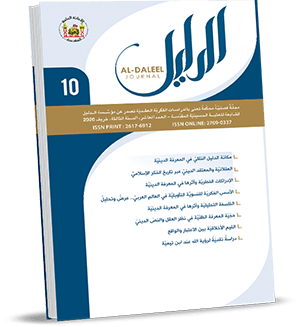
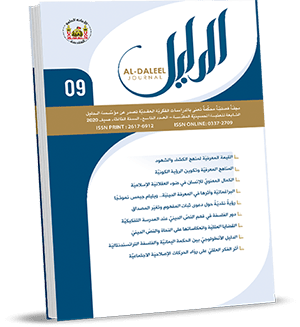
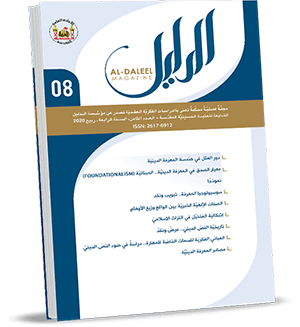
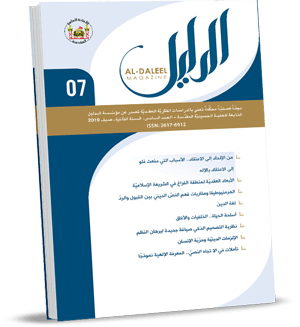

مؤسّسة الدليل للدراسات والبحوث هي مؤسّسةٌ تحقيقيّةٌ تعليميّةٌ تعنى بتحقيق الفكر الإسلاميّ .
 مؤسسة الدليل